At Montville MedSpa & Pain Center, we understand how debilitating joint pain can be. We also know how important it is to find safe, effective, non-surgical pain management solutions.
That’s why we’re proud to offer PRP injections – an innovative treatment that can dramatically reduce joint pain and improve mobility.
What is PRP?
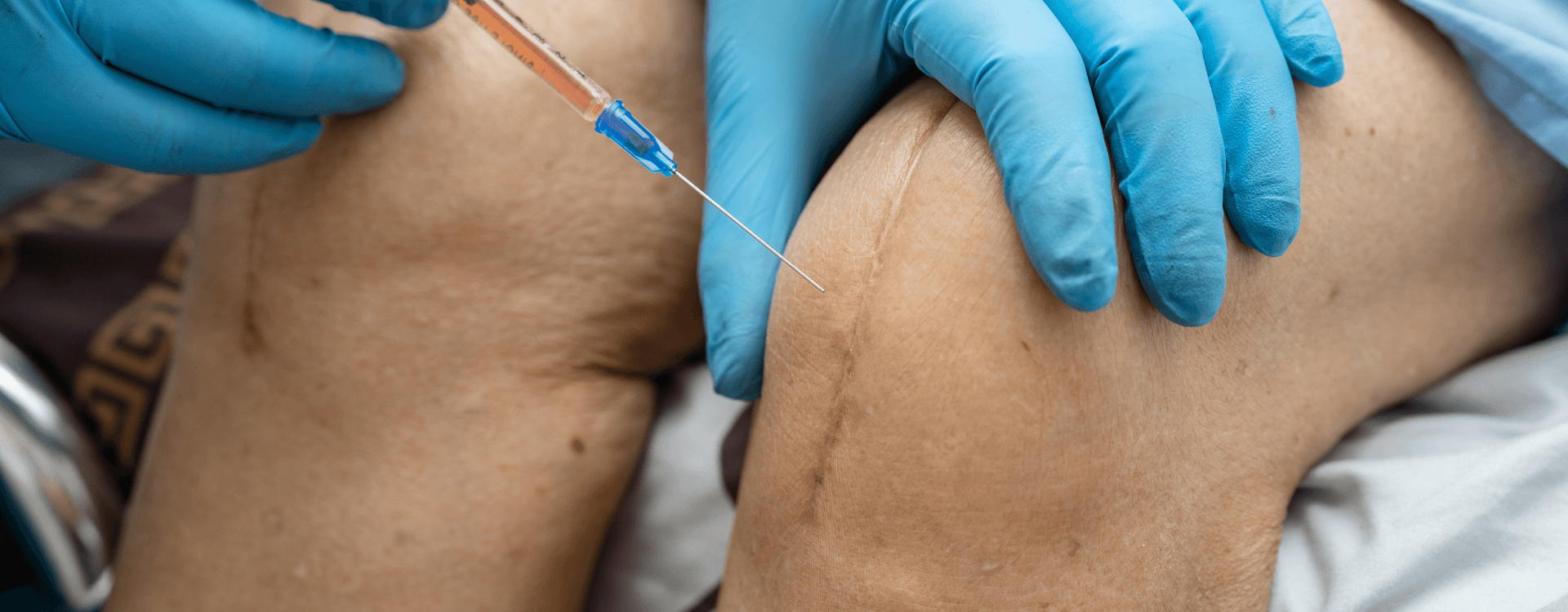
PRP stands for platelet-rich plasma. It uses injections of your own platelets to accelerate healing and ease joint pain. A small sample of your blood is drawn and spun in a centrifuge to concentrate the platelets.
These platelets contain growth factors that stimulate tissue regeneration. The PRP is then injected into the injured joints.
How PRP Joint Injections Work
- Stimulate natural healing response
- Reduce inflammation
- Promote new cartilage growth
- Improve joint lubrication
- Accelerate tissue repair
How effective are PRP joint injections?
PRP joint injections display promising effectiveness, especially for conditions like elbow pain. In a 24-week study, PRP outperformed the control group, improving pain scores by 71.5% versus 56.1% at 12 weeks.
Additionally, 83.9% of PRP-treated patients achieved success compared to 68.3% in the control group.
PRP Injections for Joint Pain Can Help You
- Reduce pain and aid healing in various joints and muscles, including tendonitis and arthritis.
- Slow down osteoarthritis progression by reducing inflammation.
- Stimulate the growth of new tissues like cartilage, tendons, and muscles.
- Repair damaged tissues, reduce pain, and enhance joint lubrication.
- Promote the development of new cartilage and speed up tissue recovery.
- Alleviate arthritis pain and enhance function by releasing growth factors that trigger healing.
What are PRP injections good for?
PRP injections can be used to treat a variety of joint pain conditions, including knee osteoarthritis, shoulder pain, and elbow joint pain such as tennis elbow.
Is PRP Joint Injection Good for Arthritis?
PRP injections can be a good treatment option for arthritis. Here are some ways PRP injections can help with arthritis:
- Alleviates pain and enhances joint function in osteoarthritis patients
- Suppresses inflammation and hinders osteoarthritis progression
- Promotes new cartilage, tendons, ligaments, muscles, and bone formation
- Reconstructs damaged tissue, reducing inflammation and pain while enhancing joint lubrication
- Relieves arthritis discomfort and boosts function via growth factors signaling cellular healing.
How many PRP injections are needed?
It’s recommended to complete a series of three injections spaced four to six weeks apart. After this series, it is recommended to continue with maintenance injections consisting of one injection every six months.
How long does it take for PRP joint injections to work?
Patients typically experience significant improvement within 4-6 weeks after their first injection. While some find relief with just one injection, others may need a series of injections over several weeks.
PRP Joint Injection Post-Procedure Recommendations
- Refrain from icing and use of NSAIDs post-injection.
- Patients can resume activities as tolerated. Reducing activity for the 72 hours following the injection may be recommended by your physician.
- Common side effects include pain, bruising at the injection site, redness, and swelling.
Why Choose Montville MedSpa & Pain Center for PRP?
Our Advantages:
- Cutting-edge PRP technology
- Precise image-guidance for injections
- Customized treatment plans
- Warm, welcoming environment
- Over a decade of joint pain expertise
We combine advanced science with compassionate care. Your satisfaction is our top priority.
Is PRP Right for You?
Ideal candidates for PRP injections include:
- Those with chronic joint pain
- Individuals seeking to avoid surgery
- People looking for lasting pain relief
- Patients who want non-invasive options
- Anyone seeking to improve joint function
PRP can be used to treat knee, shoulder, hip, spine, ankle, and elbow pain.
Start Your Journey to Pain-Free Movement
Don’t let joint pain limit your mobility and quality of life. With PRP injections in Montville, NJ, you can get back to doing what you love – pain-free!
Call us today to schedule a consultation. Dr. Donna D’Alessio, board-certified in Physical Medicine & Rehabilitation, is here to create a customized PRP treatment plan to meet your unique needs.
Invest in lasting joint pain relief. Choose Montville MedSpa & Pain Center today.
Frequently asked questions
What is PRP?
PRP stands for platelet-rich plasma. A small sample of your blood is drawn and spun in a centrifuge to concentrate the platelets, which contain growth factors that stimulate tissue regeneration. The PRP is then injected into the injured joint.
What conditions can PRP joint injections treat?
PRP injections may be used for a variety of joint pain conditions, including knee osteoarthritis, shoulder pain, tendonitis, and elbow pain such as tennis elbow. PRP can be used for knee, shoulder, hip, spine, ankle, and elbow pain.
How many PRP injections are needed?
A series of three injections spaced four to six weeks apart is recommended, followed by maintenance injections of one injection every six months.
How long does it take for PRP joint injections to work?
Patients typically notice improvement within 4 to 6 weeks after their first injection. Some find relief with just one injection, while others may need a series of injections over several weeks.
What should I do after a PRP joint injection?
Avoid icing and NSAIDs after the injection. You can resume activities as tolerated, although your physician may recommend reducing activity for the 72 hours after the injection. Common side effects include pain, bruising, redness, and swelling at the injection site.
Related treatments
Pain Management in Montville
Pain can affect every aspect of your life, from mobility and mood to sleep and productivity.
Non-Surgical Arthritis Pain Relief in New Jersey
Arthritis is a chronic condition marked by inflammation in one or more joints, causing pain, stiffness, swelling, and limited mobility.
Knee Pain Treatment in Montville, NJ
Knee pain can make stairs, walking and sleep harder. Dr. D’Alessio looks for the cause and explains the non-surgical options that may help.
Struggling With Shoulder Pain in New Jersey
Recover mobility and relieve discomfort with our effective treatment options for shoulder pain in New Jersey.
Tendonitis Treatment in New Jersey
Tendonitis is inflammation or irritation of a tendon, the thick cord connecting muscle to bone.